


The transition from a casual jogger to a dedicated runner usually starts with a single realization. Honestly, it’s that moment you notice your old sneakers and cotton t-shirt just aren’t cutting it anymore. I guess we’ve all been there, standing in the driveway feeling that first heavy soak of sweat in a shirt that refuses to dry. Running is a simple sport in theory, but the technical side of the gear makes a massive difference in how you feel the next morning.
But when you’re looking to maximize your routine, what are you actually chasing? You’re not just looking for speed. You’re looking for longevity and comfort. You know, that feeling of your legs still belonging to you after a long effort.
The Foundation of Every Step
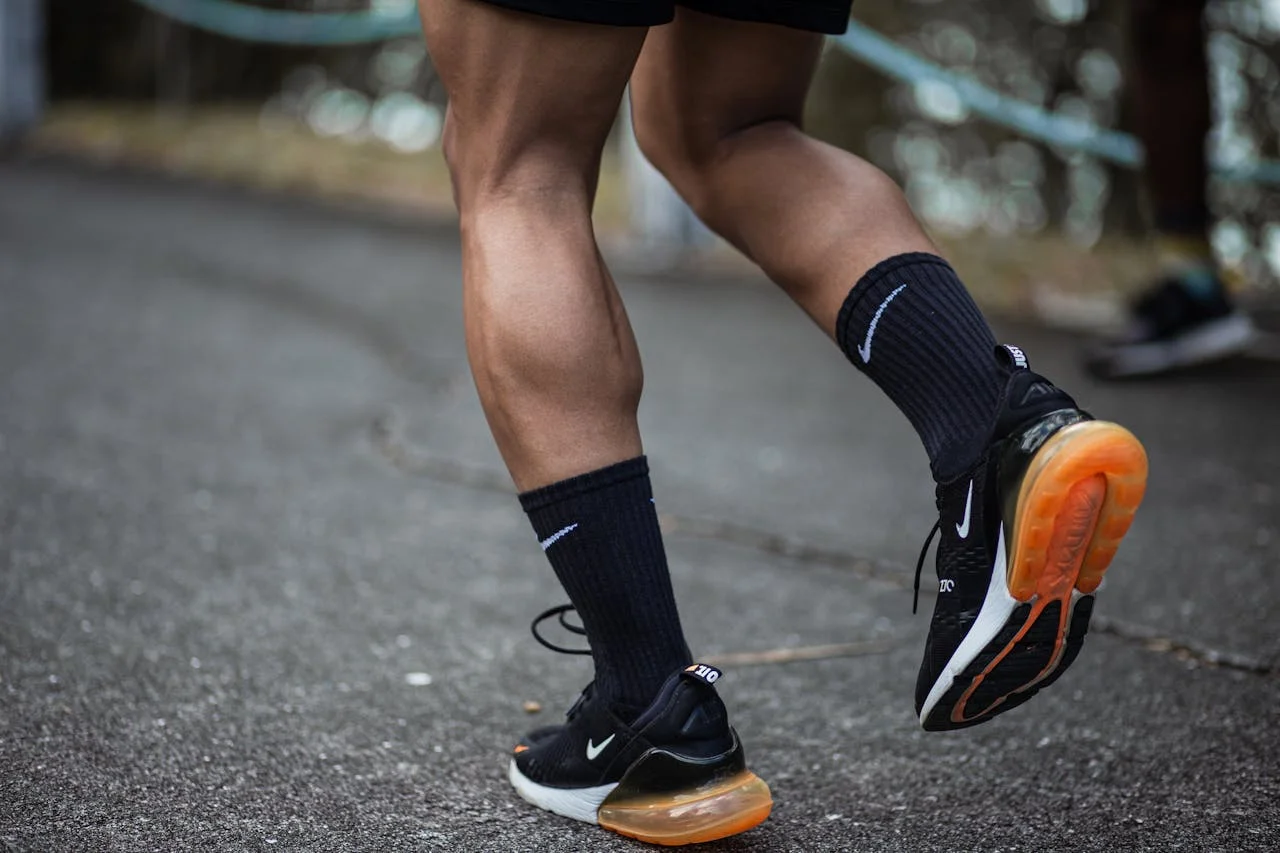
The most critical part of your kit is your footwear. Everything starts with how your feet hit the pavement. When you look at the landscape of running shoes, one of the first options many people consider is a high-quality trainer designed for versatility. A reliable pair of Nike running shoes provides the cushioning you need to protect your joints from the constant, rhythmic impact of the road.
Finding the right fit involves understanding your foot strike. Some runners land heavily on their heels, while others stay on their midfoot.
Have you ever stopped to think about how your foot actually moves?
You’ve got to figure out if you overpronate, which means your foot rolls inward, or if you have a neutral gait. A shoe that supports your specific mechanics will help you avoid common injuries like shin splints or plantar fasciitis. It’s definitely worth spending some time at a dedicated shop to have your gait analyzed before you make a final choice. Maybe it feels a bit much to have a stranger watch you run on a treadmill, but trust me, your knees will thank you.
Beyond the Shoe: Technical Apparel
Once you’ve secured your footwear, the focus shifts to what you’re wearing on your body. The goal of running apparel is to keep your temperature steady and manage moisture. And let’s be honest, cotton is generally the enemy of a productive run. It holds onto sweat, gets heavy, and causes a lot of chafing. And that’s the point.
Modern technical fabrics are designed to pull moisture away from your skin. This keeps you cool in the summer and stops that bone-chilling cold that comes from damp clothes in the winter. For your lower body, compression tights or lightweight shorts with built-in liners can reduce friction. For the upper body, look for seams that are flat or bonded.
No one wants to deal with irritation five miles away from home. It’s those small, stinging distractions that can ruin a perfectly good flow.
Layering for the Elements
Running is a year-round pursuit, and your gear has to adapt. The rule of thumb is to dress as if it’s ten degrees warmer than the actual temperature. You’re going to heat up quickly once your heart rate starts to climb and you feel that familiar hum of energy in your chest.
In the colder months, a three-layer system works best. Start with a thin base layer to wick away sweat. Add a middle layer for insulation, like a light fleece. Finish it off with a windproof and water-resistant shell. In the heat of summer, prioritize breathability and UV protection.
Small details matter.
A lightweight hat can keep the sun off your face and the sweat out of your eyes. It’s a small detail that makes a big difference in your focus when the pavement starts to shimmer.
Essential Accessories for the Long Haul
While shoes and clothes are the basics, certain accessories can turn a routine run into the highlight of your day. Socks are often overlooked, but a pair of synthetic or wool-blend running socks is vital. They prevent blisters and give you some extra padding in high-pressure areas.
Hydration is another big factor. For runs longer than an hour, carrying water becomes a necessity. Handheld bottles, waist belts, or hydration vests let you sip consistently without breaking your stride.
So, how do you track your progress?
A reliable watch or tracking device helps you monitor your pace and heart rate. This data lets you see your progress over time, and that’s a powerful motivator when the initial excitement starts to fade, and you’re staring at your shoes at 6:00 AM.
Safety and Visibility
Maximizing your routine also means making sure you can run safely at any time of day. If you prefer early mornings or late evenings, visibility has to be a priority. Reflective detailing on your clothes is a good start, but active lighting is even better.
A small chest lamp or a headlamp ensures you can see the ground and that drivers can see you. It’s about peace of mind.
When you invest in the right gear, you’re removing the barriers between you and a great run. You’re telling yourself that your comfort and your health are worth it. It makes the act of getting out the door so much easier when you know your equipment is up to the task. Honestly, it’s about making the run the best part of your day.