


The world has never felt smaller, has it? You can book a flight to the other side of the planet with three clicks. You scroll through endless, perfect photos of turquoise waters and pin locations to a digital map you’ll probably never look at again. For a long time, travel was just… quantity. A race for stamps. A frantic dash to photograph a landmark before rushing back to the airport. This “fast travel” culture turned exploration into a chore. A checklist. But lately, something is changing.
Honestly? People are starting to realize that seeing everything often means feeling absolutely nothing.
There’s this movement toward slow travel. It isn’t just a trend or a hashtag. It’s a response to how exhausted we all are. Instead of five cities in ten days, people are staying in one place for two weeks. They’re trading the crowded bus for a local bike. A quiet corner in a cafe instead of a famous monument. It’s about connection. Have you ever come home from a vacation feeling like you need a week off just to recover? I know I have. It’s a weird feeling.
The Problem With the Checklist
When we travel fast, we’re just consuming. We arrive with an idea of what a place should look like because we saw it on Instagram. We take the photo. We buy the magnet. We leave. It creates this wall between us and the actual culture. We’re just on the surface. You might see the Eiffel Tower, but do you really understand the rhythm of a Parisian morning? You know, the smell of fresh flour and the sound of metal chairs scraping against a sidewalk? Probably not.
We visit a temple in Kyoto, but we don’t feel the stillness. We’re too busy checking the time.
Fast travel is also just… heavy. Overtourism is what happens when everyone hits the same “must-see” spots at once. It wears down the land and makes life hard for the people who actually live there. And that’s the point. When we rush, we miss the impact we leave behind.
But when we slow down, things change. We spend money at the little shops. We actually respect the space.
Why Depth Matters
Deep travel is about immersion. It’s the stories you find when you finally stop looking at your watch. When you commit to one spot, you give yourself permission to be bored. And maybe that’s when the magic actually happens. You notice how the light hits the stone walls in the afternoon. You start to recognize the guy who sells bread on the corner.
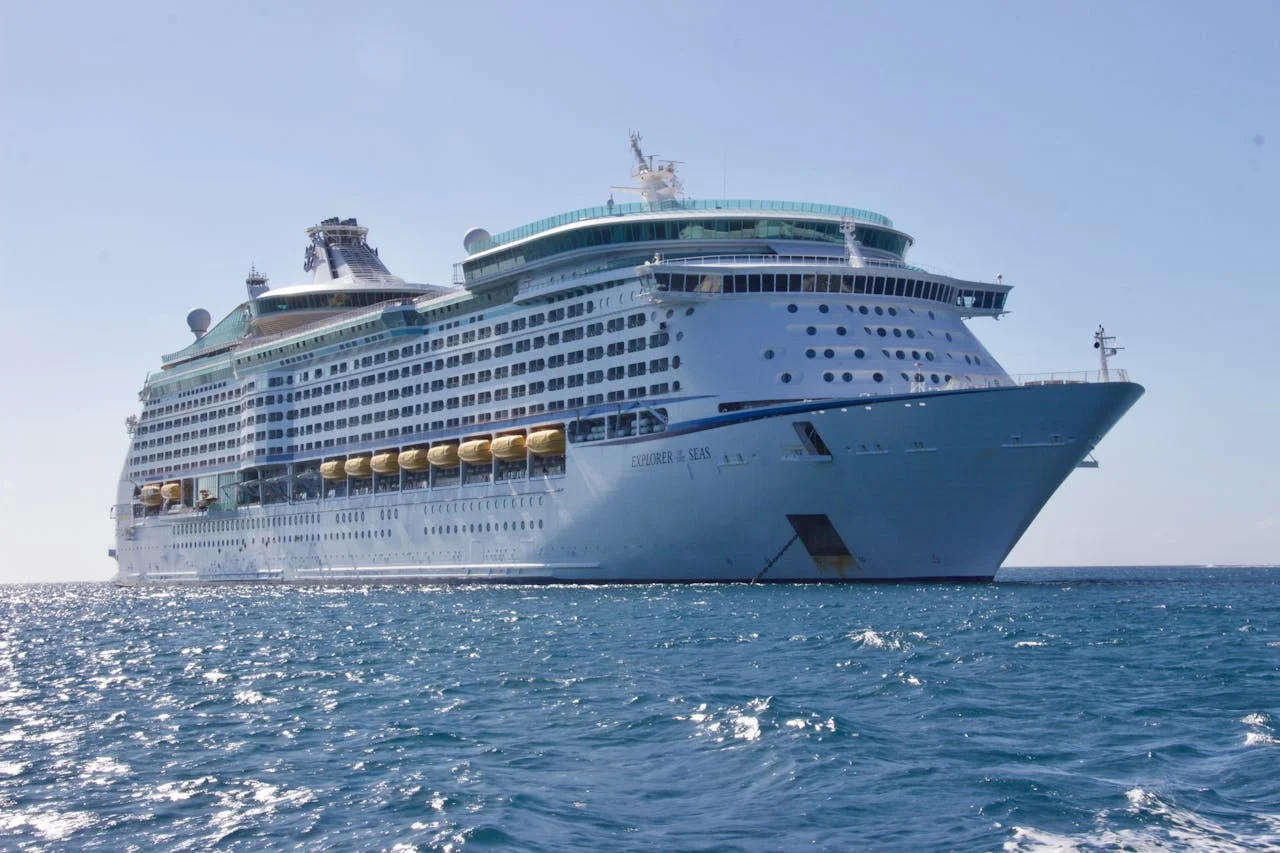
And this depth comes from being picky about how you move. For instance, rather than a massive ocean liner that hits a new port every twelve hours, an intimate approach allows for actual discovery. Choosing a small boat cruise to Seychelles allows you to find those hidden coves and quiet stretches of sand the crowds never see. It’s about breathing in the salt air. Watching wildlife without a ticking clock. I guess it’s about finding those places where the only sound is the water lapping against the hull.
That kind of intentionality stays in your bones.
Reconnecting With Ourselves
One of the biggest wins of doing less is the mental clarity. We live lives dictated by pings and deadlines. I’ve spent too many nights staring at the hum of my laptop at midnight, planning a trip that was way too busy. If our vacations are as packed as our work weeks, we never actually reset. Slow travel is like meditation. It forces you to be right here.
So, when you aren’t worried about the next train or the next hotel, your brain has space. You might reflect on things in a way that’s impossible at home. You might pick up a sketchbook you haven’t touched in years. By doing less, you gain more. Peace. A new perspective. Is the goal to see the world, or is it to let the world change you?
Practical Ways to Slow Down
You don’t need a huge budget. Just a change in how you think.
- Pick one base. Rent an apartment in a real neighborhood.
- Leave the itinerary blank. Set aside two days with zero plans. Just walk out the door and turn left. See what happens.
- Quality over fame. Find the gallery off the beaten path. The restaurant with no English menu.
- Talk to people. Stories are better than souvenirs.
We’re starting to realize the world isn’t a commodity. It’s a tapestry of lives that deserve our attention. When we choose depth over speed, we aren’t just seeing the world. We’re letting the world see us.
The beauty is in the stuff you can’t schedule. The rainstorm that sends you into a tiny bookstore. The sunset that feels like it was painted just for you. Let’s leave the checklists behind. Let’s find the joy in just being where we are.
The Quiet Value of Staying Put
There’s something powerful about resisting the urge to move on. Staying in one place long enough lets it stop being “new” and start being familiar. And familiarity is where comfort lives. You learn which bakery sells out by noon. You notice how the neighborhood sounds change after dark. The place begins to hold you, instead of you passing through it. That sense of belonging, even if it’s temporary, creates a deeper emotional imprint than any landmark ever could.
This kind of presence shifts how you experience time. Days feel fuller, even when less happens. You stop measuring the trip by what you’ve seen and start measuring it by how you felt. Calm. Curious. Grounded. And when it’s time to leave, you don’t just carry photos home—you carry a rhythm, a way of moving through the world a little more slowly than before.