


Deep, resonant frequencies that connect rhythm and melody are the basis of every great musical group. The bassist is the one who controls the song’s heartbeat. They provide the harmonic movement and the rhythmic “pocket” that lets the rest of the band thrive. If you want to go down this musical path, learning to play the instrument is a fun challenge that requires both physical skill and a deep understanding of music theory. In a city with a long history of jazz, rock, and R&B, the most important thing to do to go from being a casual listener to a good performer is to get the right help.
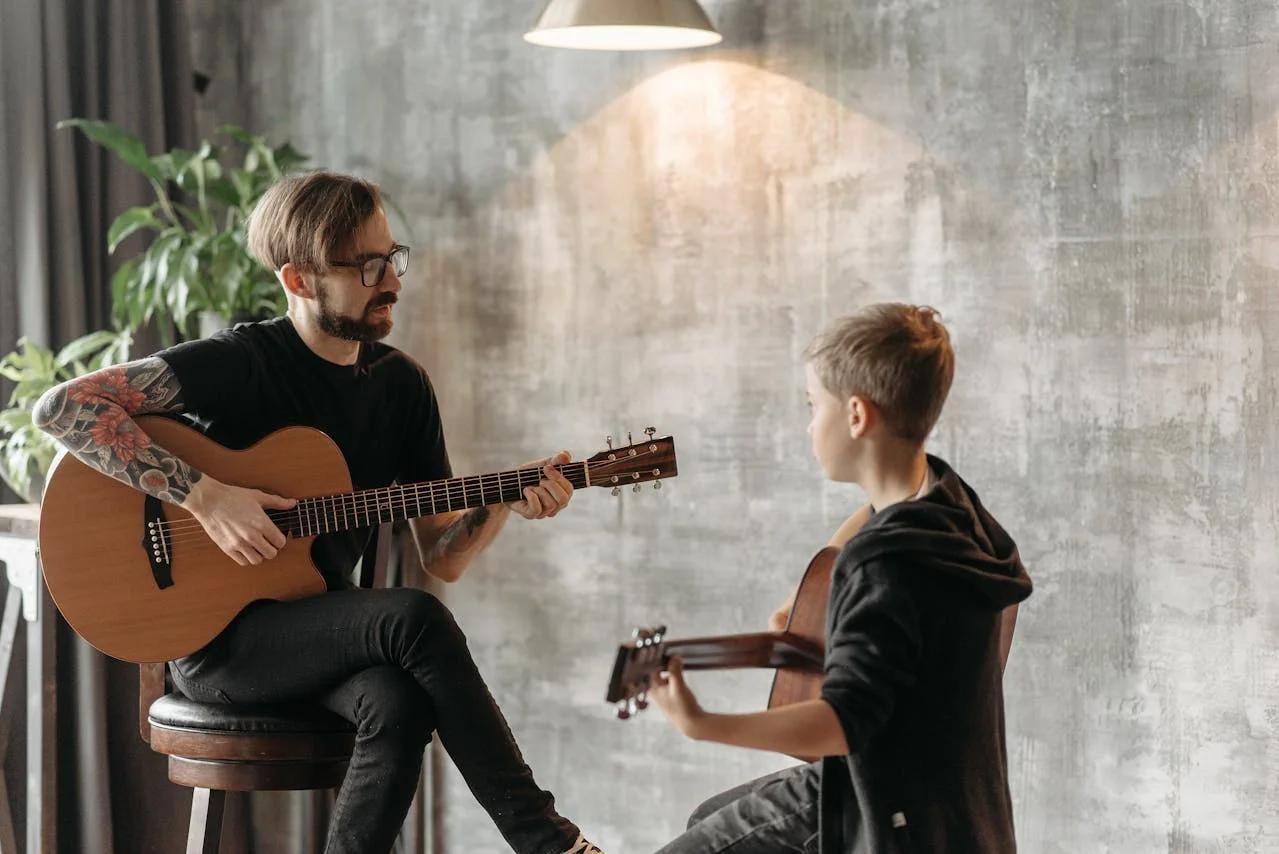
A community of world-class instructors who have played on the stages of the city’s most famous venues are available to aspiring musicians who enroll in bass guitar lessons Toronto. Self-taught methods can often lead to bad technique or “plateaus” in progress. On the other hand, professional instruction gives you a structured curriculum that is tailored to your goals. A teacher can give you immediate feedback on how to hold your hands, how consistently you pluck, and how to move efficiently. These are all technical details that are important for playing faster without risking repetitive strain injuries. This individualized method makes sure that students get a strong technical base from the start.
When you study the bass, you have to pay special attention to “groove” and timing, in addition to the physical mechanics of playing. A bassist needs to learn how to lock in with the drummer and how to place notes in relation to the kick drum to make a sound that works. Ear training and fretboard visualization are often part of professional lessons. These help students learn how scales and arpeggios are the building blocks of famous bass lines. Knowing why the notes are there lets a player improvise and make their own parts with confidence, whether it’s the syncopated funk of the 1970s or the driving eighth-note lines of modern alternative rock.
Digital literacy and home recording are now also part of modern education in this field. A lot of local studios now teach students how to use digital audio workstations (DAWs) and audio interfaces to record their practice sessions. This lets musicians listen to their playing again and critically find spots where their timing might be too fast or too slow. Also, being able to record high-quality bass tracks from home is a very useful skill in today’s connected music business. It makes it possible to work with artists from all over the world without having to be there in person.
Learning to play an instrument has a big effect on your mental health as well. To play the bass well, you need to be very good at “active listening.” This means that you have to always keep an eye on the guitar or piano’s harmonic changes and stay perfectly in sync with the drums. This creates a kind of cognitive multitasking that helps you remember things and stay focused. For many adults, these lessons are an important way to be creative and take a break from the stresses of work. When you finally master a hard riff or play a song all the way through for the first time, you feel a huge boost in your self-esteem and overall health.
Picking the right place to study is very important. A dedicated studio is a place where students can work without the distractions of home. It has professional amplifiers and a variety of instruments that let them try out different sounds, from the punchy growl of a modern active bass to the warm, thumping vintage tones of a classic P-bass. Being around other students also gives you chances to meet new people and start bands, which is where the real magic of music happens. For any musician just starting out, going from practicing in their bedroom to jamming in a rehearsal space is a big deal.
The ultimate goal of music education is to give the student the tools they need to express themselves. The bass guitar is a very useful instrument that can be both a soft support and a strong lead. Students can skip the frustration of trial and error and get better at music faster by paying for professional lessons in a supportive local community. A good teacher, a tuned instrument, and a love for the low end are all you need to start your journey of a thousand beats.