

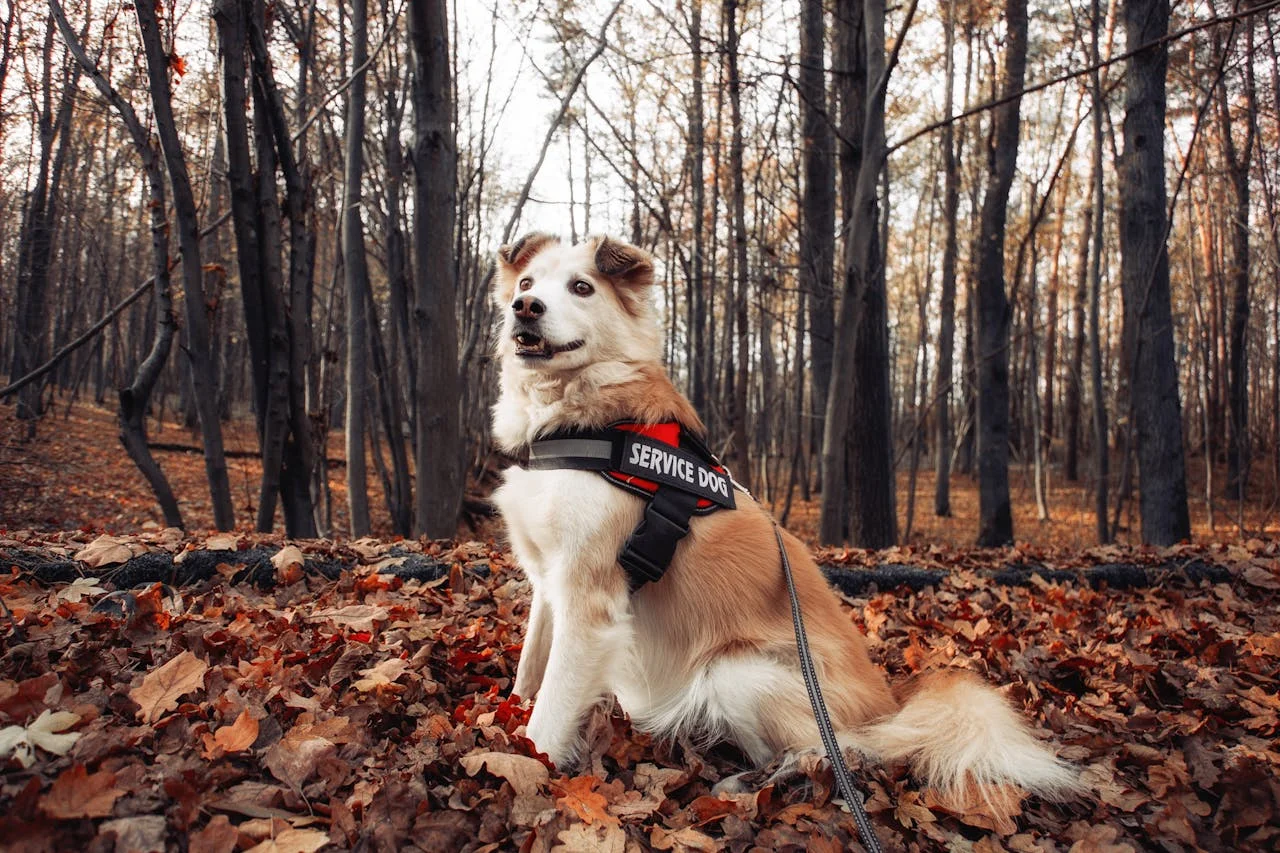

PTSD (post-traumatic stress disorder) is one of the most common psychiatric disabilities that can significantly impact one’s life, going as far as affecting daily function. While there are many treatment options for PTSD and similar conditions, one option that is becoming more and more prevalent is the use of a service dog. PTSD service dogs can carry out tasks that can help the handler feel more comfortable and manage their condition.
If you’re interested in learning about the PTSD service dog tasks, our article is here to cover everything you need to know. We will cover the PTSD service dog tasks and help you determine what you should prioritize in your service dog.
What Is a PTSD Service Dog?
According to the US Service Animals’ psychiatric service dog guide, a PTSD service dog is a specialized type of service animal that is trained specifically for assisting individuals with post-traumatic stress disorder. These dogs can perform tasks that are directly related to their handlers’ condition, such as waking them up from a nightmare or performing deep pressure therapy to ease a panic attack in order to make the handler feel more comfortable.
While a PTSD service dog is a specialized type of service animal, these dogs have the same rights and requirements as any other. This means that for a dog to be a PTSD service dog, the dog must be trained for a post-traumatic stress disorder-related task, such as any of the tasks we’ve covered above, and remain under the handler’s control at all times.
PTSD Service Dog Tasks List
Now that you’ve had an introduction to post-traumatic stress disorder service dogs, here’s a list of the most common tasks these dogs perform to help their handlers.
1) Waking the Handler
One of the most common PTSD service dog tasks is waking the handler from nightmares and night terrors, which are common for people with post-traumatic stress disorder to experience. A PTSD service dog can be trained to detect restlessness, crying, or changes in breathing and wake the handler to prevent prolonged panic and dissociation.
2) Tactile Stimulation
Another common PTSD service dog task is tactile stimulation. PTSD service dogs can recognize an anxiety attack or a flashback by recognizing behaviors like shortness of breath (or breathing quickly) and sweating. Once identified, they can nudge, scratch, or lick the owner to ground them. They can also interrupt repetitive behaviors during an episode, such as harmful behaviors, though they can also be trained specifically for this, interrupting harmful behaviors.
3) Deep Pressure Therapy
Deep pressure therapy is a common psychiatric service dog task that many PTSD service dogs also uphold. These dogs can be trained to lie down on the handler’s lap, legs, or chest to ground them during an episode, like an anxiety attack, flashback, or emotional overload. PTSD service dogs can go as far as maintaining a steady pressure until the handler’s heart rate and breathing slow down or the handler calmly gives them a command to leave.
4) Wake the Handler (Not From a Nightmare/Night Terror)
While a common PTSD service dog task is to wake the handler from a nightmare or night terror, a post-traumatic stress disorder service dog can also be trained to wake the handler from an episode where they freeze rather than panic. A PTSD service dog can nudge the owner continuously or paw at them until the handler responds. In doing so, they get in the way of dangerous immobility episodes, which can be a lifesaver for the handler.
5) Room Searches
For those suffering from PTSD and severe anxiety, as well as veterans who have PTSD, a post-traumatic stress disorder service dog can enter rooms first and check places like corners, doorways, and even closets to ensure the space is clear. Knowing that there’s nobody in the room before the handler enters reduces paranoia and hyper-alert behavior, which is common among veterans.
What PTSD Service Dog Tasks Are for You?
Our article covered a variety of PTSD service dog tasks, which are only a handful compared to everything that these dogs can do for their handlers. When you’re set out on getting a PTSD service dog or determining the tasks that would benefit you, consider your exact condition and symptoms to understand your individual needs.
While the above PTSD service dog tasks, as well as the ones that would benefit you, can have a positive impact, having a service dog also means having a loyal friend, which can boost emotional well-being. When you consider getting a PTSD service dog, be sure to consider this aspect of having one of these animals by your side, so that you enjoy the benefits beyond the common PTSD service dog tasks.