

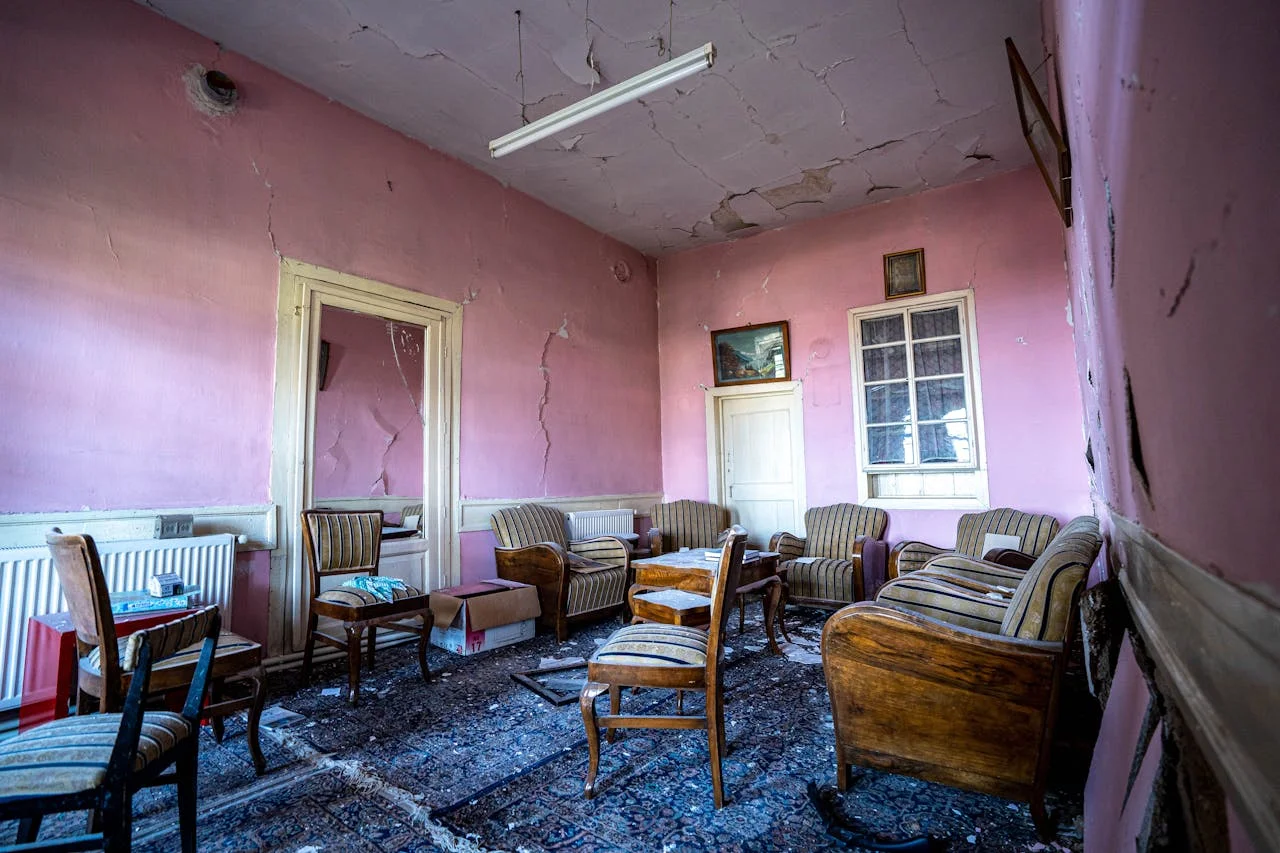

Water damage inside a home rarely starts with a dramatic flood. It usually begins quietly, behind walls, under floors, or near ceilings. A small leak can spread fast and affect more than one room. In a city with changing seasons and aging homes, these issues appear more usually than expected. This article explains the most common causes of indoor water damage and why local conditions matter. Understanding these causes helps homeowners spot trouble early and protect their property.
Many homeowners search for water damage restoration near Kansas City after damage becomes visible. Homes face unique risks tied to weather patterns, plumbing systems, and everyday appliance use. Knowing what causes these issues in Kansas City can help reduce damage and limit repair costs.
Plumbing Leaks and Pipe Failures
Plumbing problems rank among the top causes of indoor water damage. Older pipes may crack, corrode, or loosen over time. Sudden pressure changes also stress plumbing joints. Leaks form inside walls or beneath floors, which makes them hard to notice early.
In Kansas City, seasonal temperature shifts can weaken pipes faster. Small drips can soak insulation, damage drywall, and create long-term moisture issues when left unchecked. Unusual water bills or reduced pressure can signal hidden leaks. Early inspection helps prevent widespread interior damage.
Appliance Malfunctions Inside the Home
Household appliances rely on water lines that can fail without warning. Washing machines, dishwashers, and water heaters pose the highest risk. A loose hose or worn seal can release gallons of water in minutes.
Common appliance-related causes include:
- Cracked supply hoses behind washers
- Faulty dishwasher seals
- Aging water heater tanks
In Kansas City, many homes still use older appliances, which raises the chance of unexpected leaks and indoor water damage.
Roof Leaks and Ceiling Water Issues
Roof problems lead to indoor water damage during heavy rain. Missing shingles, worn flashing, or damaged vents allow water to enter attic spaces. From there, moisture travels downward into ceilings and walls. The weather includes strong storms that expose roof weaknesses quickly. Water stains on ceilings or peeling paint typically signal roof-related leaks. Early roof inspections help reduce interior damage and limit costly repairs.
Basement Water Intrusion and Foundation Gaps
Basements face a higher risk of water damage in Kansas City due to soil conditions and rainfall patterns. Water can enter through foundation cracks or poorly sealed windows.
Key risk factors include:
- Poor exterior drainage near the foundation
- Cracks in basement walls or floors
- Failed sump pump systems
Once water enters a basement, it spreads fast. Homeowners should watch for damp odors or visible moisture after storms.
HVAC Systems and Condensation Problems
Heating and cooling systems can also cause indoor water damage. Clogged drain lines or damaged drip pans allow water to overflow. Condensation buildup near ducts can drip onto ceilings or walls. In Kansas City, humid summers increase this risk. Water from HVAC systems usually goes unnoticed until visible damage appears. Regular system checks help prevent slow leaks that lead to mold or structural damage.
Indoor water damage usually starts from everyday sources rather than major disasters. Plumbing leaks, appliance failures, roof issues, basement intrusion, and HVAC problems all play a role. Each cause can spread damage quickly if left alone. Paying attention to early warning signs helps limit repairs. When issues grow beyond control, water damage restoration near Kansas City becomes essential. Staying aware of common causes allows homeowners to protect their homes and avoid long-term damage.