

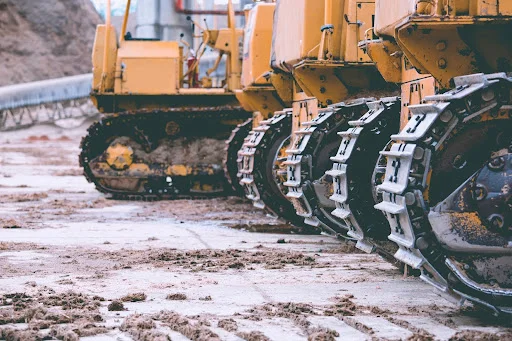

Construction companies depend on machinery that rarely comes cheap. Excavators, loaders, cranes, and other large assets often require capital that small business owners prefer to preserve for payroll, supplies, or bidding on new jobs. Commercial equipment financing steps in at this point, giving companies the ability to secure machinery without draining cash reserves. This approach supports growth at moments when a project pipeline begins expanding, yet financial pressure remains real. Many owners explore equipment financing options because these assets hold value for years, sometimes decades. Some ask an obvious question. Why commit so much capital upfront when business equipment financing can create a steadier pace.
Why Construction Machinery Fits Commercial Equipment Financing
Heavy machinery has long lifespans and predictable usage patterns, so it usually aligns well with commercial equipment financing. These assets maintain value for long periods, and resale markets stay active in most regions. That gives financing partners confidence, and owners gain room to manage their budgets more carefully. Equipment prices have also increased across several categories in the past few years, which places even more weight on smart financing strategies. When commercial equipment financing is used correctly, companies often experience fewer operational slowdowns. Some may even find they can bid on larger projects because their machinery becomes more reliable.
How the Asset-as-Collateral Structure Works
The structure behind commercial equipment financing is fairly straightforward, though owners sometimes miss how it helps protect day-to-day operations. The equipment itself becomes collateral. Approval depends on factors such as credit strength, cash flow, business history, and the estimated lifespan of the machinery. This approach can support younger construction firms that want to improve productivity but need to keep their working capital intact. Business equipment financing helps companies spread the cost across predictable and stable payments that feel easier to manage during busy and slow periods. It also offers business owners time to check how new equipment fits within long-term planning.
Specialized Payment Terms That Support Construction Cycles
Construction work rarely follows a smooth, uninterrupted pattern. Activity rises in warmer months for many regions in the US and slows down when weather changes. So this is why some companies use commercial equipment financing with seasonal or step-up payment plans. Seasonal terms let owners pay more during high-revenue months and ease payments during quieter stretches. It is an approach that can stabilize cash flow and help companies stay focused on project execution instead of monthly pressure. Several equipment financing options now include flexible structures that reflect the unpredictable nature of construction work. This flexibility encourages owners to upgrade equipment without fearing that a slow quarter will derail financial plans.
Long Lifespan Advantage and Why It Matters
Heavy machinery often serves a business for ten, fifteen, or even twenty years when maintenance is consistent. That long window of use creates a strong case for commercial equipment financing because the equipment brings value across many project cycles. Some owners find that financing aligns better with how they expect revenue to grow. Equipment that lasts longer also tends to create fewer interruptions, and that reduction in downtime can make a big difference in profitability. When comparing equipment financing options, the lifespan-to-cost ratio becomes a deciding point. It also helps when resale potential stays strong, giving owners additional flexibility later.
When Owners Should Consider Commercial Equipment Financing
A construction business may reach a point where aging equipment disrupts schedules or increases repair expenses. Commercial equipment financing becomes relevant when this pattern appears. It also helps companies that receive an unexpected project opportunity but lack the machinery to take it on. Some owners choose business equipment financing when they prefer to reserve cash for emergencies or staffing needs. The real question becomes simple. Will financing allow the company to operate with more confidence. In many cases the answer is yes, especially when payment plans reflect actual work cycles.
Conclusion
Commercial equipment financing helps construction companies secure the machinery they need without placing heavy pressure on their budgets. Using the equipment as collateral gives owners some breathing space, and the flexible payment structures work better for industries where activity rises and dips through the year. Heavy machinery usually keeps its value for a long time, so equipment financing options often support steadier planning and clearer decision-making. Businesses that understand how this model works tend to move into expansion with greater confidence, even when the market feels uncertain.