

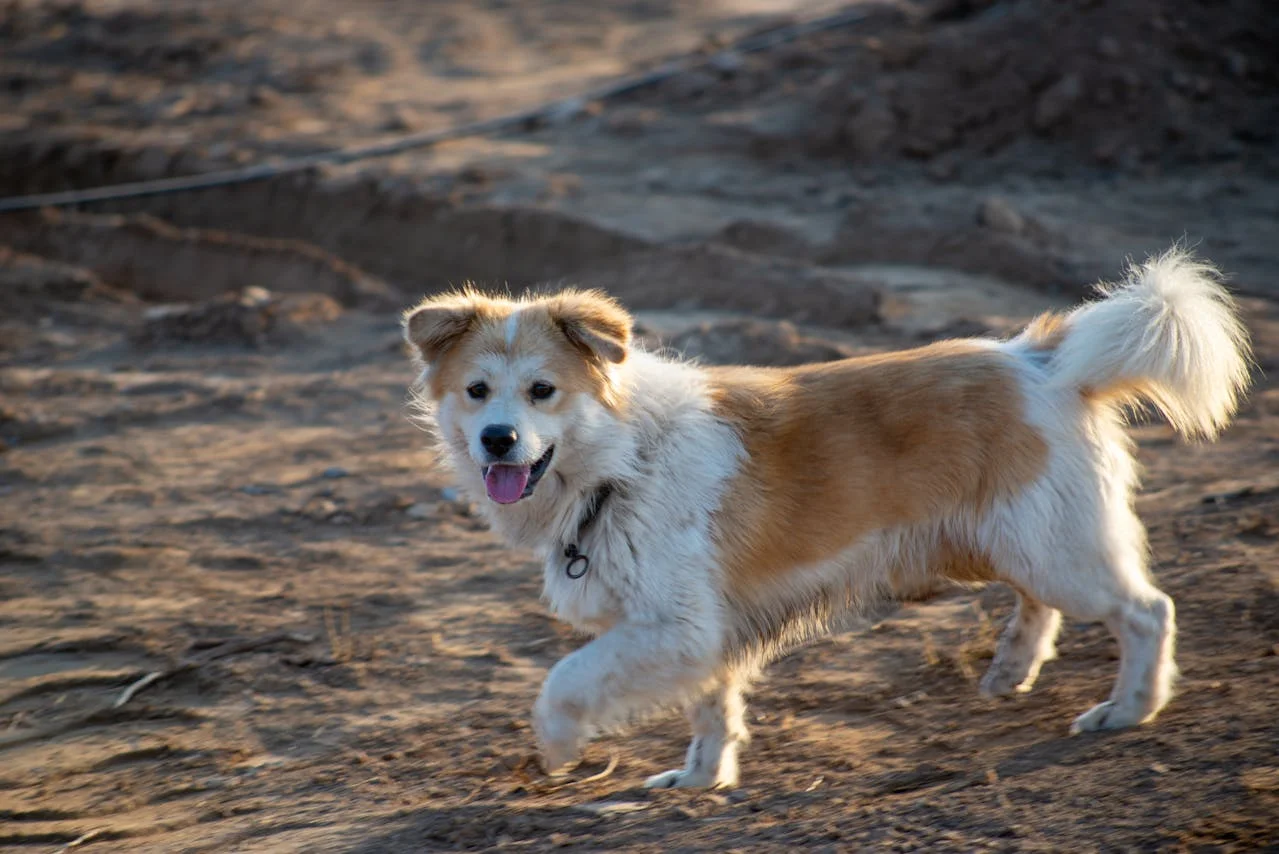

Understanding the routines of pets matters for maintaining their long-term wellness and ensuring owners remain aware of every behavioral shift. Many individuals rely on visual cues, yet consistent monitoring tools add levels of accuracy that observation alone cannot achieve, and that is why people often visit the website petloc8.com while researching reliable solutions that strengthen everyday supervision.
When detailed movement information is accessible, owners see how pets use their environments, how frequently they return to familiar zones, and whether changes appear gradually or suddenly over time.
Continuous tracking creates opportunities to compare daily cycles against established routines. Owners often assume pets behave similarly from day to day, yet subtle variations accumulate. A pet that once explored confidently may begin shortening its routes, resting longer, or avoiding certain areas. Detecting these patterns early provides supportive data during veterinary consultations and ensures changes are addressed before larger concerns develop.
Pets naturally modify activities based on age, energy, household changes, or environmental shifts. Without measurable records, such differences blend into daily perception. GPS tracking captures movement with precision, illustrating what happens when an owner is not present. This supports stronger decision-making about adjustments to lifestyle, nutrition, exercise duration, and general engagement.

Monitoring Daily Habits Efficiently
Tracking systems map activity levels, distance traveled, and time spent outdoors. This evidence becomes valuable when owners evaluate suitable exercise boundaries or assess whether their pet remains active enough. In many households, movement varies depending on seasonal patterns, available space, and familiarity with territory. When data remains visible, comparing weeks or months becomes simple.
Pet activity tracking grows especially useful when supported by contextual data:
- distance traveled each day — helps determine whether reduced mobility stems from age, fatigue, or environmental barriers;
- time spent in designated zones — reflects attachment to specific safe areas and shows whether exploration increases or decreases;
- frequency of repeated routes — highlights routine comfort levels and reveals when new areas receive attention;
- duration of outdoor activities — provides insight into suitable exercise planning for breed size and endurance;
- movement variations across days — signals when unexpected changes require attention or potential guidance.
Recording historical patterns also supports shared household responsibilities. Families with multiple caregivers rely on transparent scheduling. When one person reviews activity levels, another can maintain continuity without confusing the pet’s expectations. Over time, this leads to stable engagement, reduced restlessness, and fewer instances of unplanned wandering.
Improving Training and Behavioral Insight
Behavioral observation benefits from measurable evidence rather than assumptions. When a pet responds to commands reliably, movement patterns change, especially outdoors. A GPS-based history illustrates whether improved recall results in shorter roaming periods or whether distances expand due to increased confidence under supervision. When progress occurs gradually, owners continue reinforcing positive behaviors.
Training routines adapt through comparative analysis. Owners can track when learning sessions coincide with increased exploration, suggesting curiosity or excitement. Alternatively, recorded routes may shorten during transitional phases, signaling uncertainty or fatigue. These indicators create structured adjustments rather than relying on guesswork after brief interactions.
Movement cycles highlight which areas spark hesitation, excitement, or distraction. Repeated pauses near particular spots reveal potential signals such as unfamiliar scents, neighboring pets, or environmental barriers. When understood properly, these insights reduce behavioral frustration. Owners then design smoother walking routes, easier recall interactions, or engaging play periods that align with predictable zones.
Tracking also reveals nighttime behavior for pets with outdoor privileges. Some animals remain active after dark, and owners only learn this through measurable position updates. Knowing when activity increases helps schedule feeding times, rest periods, or indoor confinement during hours when wandering poses higher risks.
Enhancing Safety and Routine Management
Safety becomes more manageable when historical information guides routine decisions. Many pets explore wide boundaries, especially near parks, open fields, or neighborhood spaces. Without real-time tracking or logged movement histories, identifying prolonged absence becomes difficult. When a system notifies owners of unexpected delays, responses become immediate rather than reactive.
Routine evaluation also supports preventive planning. Owners recognize when their pets follow consistent paths, meaning any deviation stands out clearly. If a pet begins entering unfamiliar areas, owners respond sooner. This improves safety for younger animals still learning household boundaries or for senior pets that may wander unintentionally.
Daily structure often influences health stability. Some animals thrive when walks occur at predictable intervals. By reviewing movement records, owners identify times when peak activity occurs naturally and coordinate routines with those periods. This maintains balanced physical output and supports mental stimulation.
Long-term comparison reveals seasonal differences, such as increased movement during cooler months and reduced outdoor time during warmer seasons. Recognizing these fluctuations helps refine hydration schedules, duration of outdoor exposure, and timelines for rest. Owners also determine whether pets become more solitary or social depending on shifting environmental conditions.
Finally, the ability to evaluate months of behavior simplifies conversations with animal specialists. Instead of recalling fragmented memories, owners reference measurable evidence. This method improves clarity and supports faster identification of stress, fatigue, hunger cycles, or shifts in physical performance. All of these outcomes contribute to safer and more predictable routines while gradually improving lifestyle structure for any household using Petloc8.