


Upgrading or replacing your home’s water heater can significantly impact both your daily comfort and long-term utility bills. Whether you’re moving into a new home or looking to boost efficiency while lowering monthly expenses, knowing how to select the right model will help you make the best investment. Homeowners in the capital region, especially those seeking Ottawa water heater installation services, should consider local climate, typical usage, installation requirements, and product type.
The wide variety of water heater types and features may seem overwhelming at first. Still, a thorough understanding of the primary considerations makes it much easier to find a match for your household’s specific needs. Take into account not only the unit’s cost and size but also the energy source, potential for rebates, and long-term maintenance. Wise choices in these areas can save you hundreds of dollars over the life of your water heater.
Locating certified plumbers and energy advisors can help narrow your choices. Their guidance on installation, safety, and sizing ensures your hot water needs are met efficiently. Homeowners often find value in diligent research and seeking qualified assessments before making a purchase.
With new technological advances and government incentives, it is easier than ever to upgrade to an energy-efficient water heater that fits your space and budget. You can review up-to-date guidance from prominent publications, such as the New York Times Wirecutter’s guide to water heaters, for a comprehensive analysis of current models and technologies.
For seamless upgrades and safety compliance, you may want to consult experts offering professional water heater installations in Ottawa to ensure the system is installed according to code and optimized for your home.
Types of Water Heaters
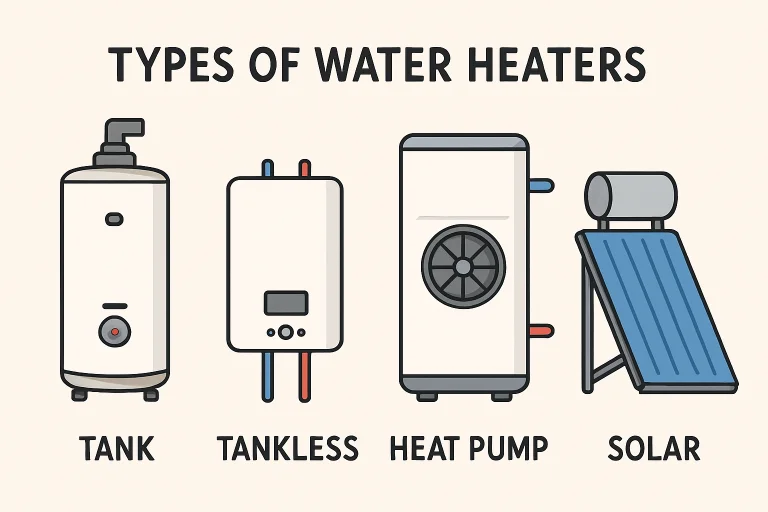
Several types of water heaters are available, each with unique benefits and potential drawbacks:
- Conventional Storage Water Heaters: These are the most common and feature an insulated tank to store heated water. While they reliably provide hot water, they may not be the most energy-efficient because of heat loss from the storage tank.
- Tankless (On-Demand) Water Heaters: Popular for their compact size and energy savings, these units heat water only when required. They can struggle with very high simultaneous demand but otherwise deliver consistent hot water.
- Heat Pump Water Heaters: These use ambient air or ground temperatures to heat water efficiently and are best suited for homes in moderate to warm climates. Installers recommend ample surrounding space for optimal performance.
- Solar Water Heaters: Powered by sunlight captured via roof-mounted panels, these are among the most eco-friendly options. Their effectiveness depends on weather conditions and sunlight exposure, making location a key factor.
- Tankless Coil and Indirect Water Heaters: These units leverage a home’s space-heating system to heat water, offering higher efficiency during the colder months when heating is already in use.
Fuel Types and Availability
The fuel source available in your area is a crucial consideration as it affects almost every aspect of the water heater choice, including cost, efficiency, and installation. The most common fuel types include:
- Electricity: Universally available and compatible with all water heater types. Electric units are simple to install but may have higher operating costs in some regions.
- Natural Gas: Favored for its rapid heating ability and lower energy costs. Gas units are best suited for areas with existing natural gas lines.
- Propane: Often used in rural or remote areas that lack gas service. Propane water heaters offer flexibility in installation location.
- Fuel Oil: This is less common but still used in certain regions, especially where oil is the primary home heating source.
- Solar Energy: Requires proper site orientation, an unshaded roof or yard for solar panels, and is best suited to areas with abundant sunlight year-round.
Be sure to compare current energy rates and future price expectations. For more regional energy advice, visit CBC News: Reducing Utility Bill Costs for insight tailored to homeowners in Ontario.
Sizing Your Water Heater
Accurate sizing ensures your water heater keeps up with your household’s hot water needs without wasting energy. Storage tank models are rated by their First Hour Rating (FHR), which measures the amount of hot water delivered in an hour when the tank is fully heated. Tankless heaters are best evaluated by their flow rate, usually expressed in gallons per minute (GPM). As a guideline:
- 1-2 people: 30-40 gallon tank or a 2-4 GPM tankless unit.
- 3-4 people: 40-50 gallon tank or a 3-5 GPM tankless unit.
- 5 or more pthoroughly: 50-80 gallon tank or a 4-6 GPM tankless unit.
Larger homes or those with high luxury usage (such as soaker tubs or simultaneous showers) may require higher capacity or multiple units.
Energy Efficiency Considerations
Modern water heaters with high-efficiency ratings can make a noticeable difference in utility bills. Always check for the Energy Factor (EF) or Uniform Energy Factor (UEF) on the product label. Higher values are better. Additionally, look for the blue ENERGY STAR® rating, which certifies strict efficiency standards set by government agencies. For even more detail about ratings, see this U.S. Department of Energy guide.
Cost Analysis: Initial and Operating Expenses
Though high-efficiency water heaters cost more up front, the long-term savings in energy and maintenance usually make them the more affordable choice over time. Heat pumps and solar water heaters, for example, can significantly lower annual energy spending. Be sure to explore available rebates and incentives, such as the Canadian federal tax credit of up to $2,000 for qualifying systems until December 31, 2025, which helps offset the initial price. Rebates may also be available through your provincial or municipal utility.
Installation Requirements and Space Considerations
Installation complexity and space will vary by water heater type. Conventional tanks generally fit in basements, garages, or closets, but require enough clearance for safety and access. Tankless units are more flexible in placement, while heat pump water heaters need roughly 700 cubic feet of ambient air space and function best where temperatures remain between 40°F and 90°F. Solar water heating systems require unobstructed roof space and proper array mounting.
Maintenance and Lifespan
Routine maintenance can double the lifespan of your water heater. Storage tanks typically last eight to twelve years. Tankless models and some high-efficiency units may last for more than 20 years. Regular flushing to prevent sediment buildup, testing the pressure relief valve, and replacing the anode rod help prevent corrosion, leaks, and efficiency loss.
Conclusion
Careful selection of a new water heater pays off in comfort, savings, and peace of mind. Assess your household’s usage patterns, energy preferences, budget, and installation space before making a final decision. Leveraging resources, experts, and efficiency guidelines increases your chances of enjoying reliable hot water and lower utility bills for years to come.