

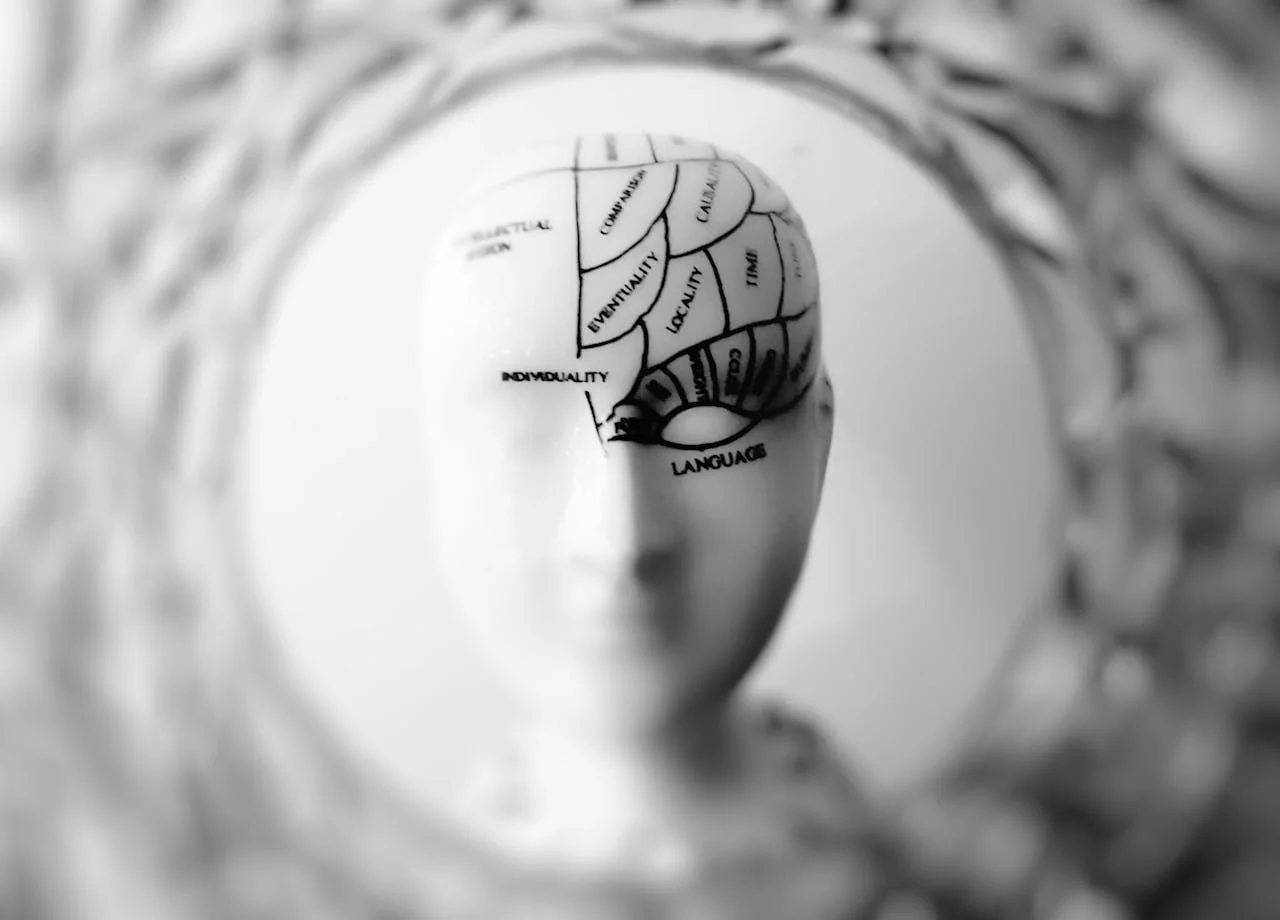

Human Design is a complex and fascinating system that synthesizes elements from various disciplines, including astrology, the I Ching, Kabbalah, and the chakra system, to create a unique map of an individual’s nature. It presents an intricate blueprint of one’s personality and potential, offering insights into personal strengths, challenges, and intrinsic traits. Developed by Ra Uru Hu in 1987, it has since gained a following among those seeking a deeper understanding of themselves and their interaction with others. In this article, we explore the intricacies of Human Design and how it can bring profound transformation to your life.
Unraveling the Mysteries of Human Design
Human Design is often considered the intersection of science and spirituality. It starts with your birth data, generating a personalized chart that reveals your unique energetic makeup. The intricacies of this system can be complex, but at its core, it offers a tailored guide to making decisions aligned with your authentic self. As you begin to understand the components that make up your chart, a new level of self-awareness starts to emerge.
At first glance, a Human Design chart might seem enigmatic, but once you start to decode it, it becomes a powerful tool for self-discovery. It consists of nine centers, channels, and gates that interweave to describe your personal characteristics. Unlike generic horoscopes, each chart is highly individualized, providing a specific framework to help one navigate life’s challenges and opportunities more effectively.
The practice of reading and interpreting these Human Design charts is gaining popularity for its ability to provide cogent life guidance. As engagement with this system grows, individuals are forming communities to share their insights and experiences with Human Design. This connected approach helps demystify the concepts for newcomers and deepen the knowledge of seasoned followers.
This system is not without its skeptics, of course. Critics argue that Human Design may be too ambiguous or difficult to validate. Proponents, however, assert that the transformative insight offered far outweighs the skepticism, advocating for the system’s unique ability to facilitate personal growth and greater self-compassion. Navigating your Human Design can be a journey of revelations, and the right angle cross is one such fascinating aspect that offers a glimpse into your life’s purpose.
The Role of Energy Types in Shaping Your Human Design![]()
The concept of Energy Types is central to Human Design, classifying individuals into four distinct categories: Manifestors, Generators, Projectors, and Reflectors. Each type has a particular strategy for interacting with the world, which, when followed, can enhance the flow and satisfaction in life. Manifestors, for instance, are initiators who are encouraged to inform those around them before taking action to avoid resistance.
Reflectors are the rarest type, with a unique strategy to wait a lunar cycle before making major decisions. As they have no permanent centers, they mirror the environment and people around them, offering a unique perspective that is appreciated when given time to develop. Each Energy Type also works with different Authorities, inner mechanisms that offer guidance on how to make the right choices for oneself, further refining the decision-making process.
Understanding your Energy Type is thus pivotal in living in sync with your Human Design. When we act contrary to our Type’s strategy, we can encounter resistance and frustration. Embracing our Type can lead to a sense of ease and accomplishment, as we begin to operate in harmony with our intrinsic energies and purpose.
Implementing Human Design Principles for Personal Growth and Understanding![]()
The application of Human Design principles goes beyond mere contemplation; it invites action and experimentation. Implementing these principles in your daily routine can lead to small yet impactful changes, such as aligning your sleep patterns with your Type or choosing work environments that support your natural tendencies. Over time, these adjustments can lead to significant personal growth and improved well-being.
For those seeking mental and emotional balance, Human Design offers strategies that encourage self-acceptance and patience. By understanding that not all parts of our chart are consistent or fixed, we learn to embrace the fluidity of our personalities and the evolving nature of our identity. This acknowledgment can alleviate internal pressure to conform to rigid societal standards or self-imposed expectations.
Human Design is a holistic approach to understanding the complexities of our individuality and the paths we are best suited to follow. By embracing our unique design, we can live more authentically, navigate life with clarity, and foster genuine personal growth. Whether you’re a seasoned follower or a curious newcomer, the insights from your Human Design chart might just be the key to unlocking your full potential and embarking on a fulfilling journey of self-exploration.