

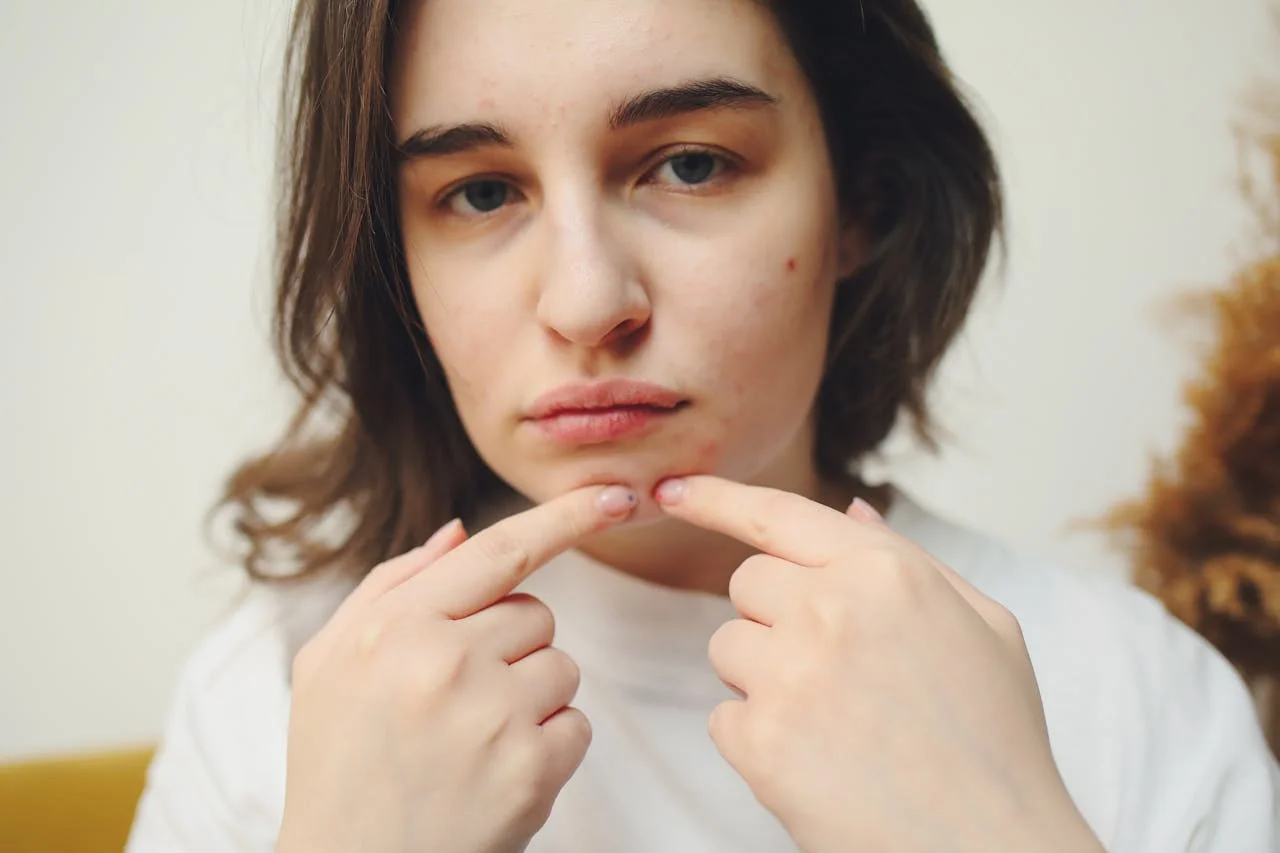

Acne can feel discouraging because breakouts show up in visible areas and linger longer than expected. The condition starts inside pores, where oil and skin cells can trap debris and irritate tissue. Since pores cover the face and body, acne has many chances to develop.
When breakouts persist, people start looking for brands built for acne-prone skin and consistent daily routines. Some choose to buy face reality skincare or explore other targeted lines that focus on pore-safe formulas. A better routine begins with understanding why acne forms, then making smarter product and habit choices.
How Breakouts Start Inside a Pore
Acne begins when a pore becomes blocked by excess oil and dead skin cells. That blockage forms a plug that can become a blackhead or a whitehead over time. If bacteria multiply inside the plug, the area can swell and turn red.
This process can occur on the face, chest, back, and shoulders, where oil glands stay active. Small plugs may stay quiet, yet deeper plugs can lead to painful bumps under the surface. The same cycle explains why many people see repeat breakouts in the same zones.
Hormones and Genetics Raise the Risk
Hormone shifts can increase oil production, especially during puberty and monthly cycle changes. More oil makes plugs form faster, which raises the chance of inflamed pimples. This link helps explain why acne appears in teens and also persists in many adults.
Genetics also influence oil output, pore behavior, and how strongly skin reacts to inflammation. Family patterns can shape acne severity and how long flare-ups last across life stages. Even with careful hygiene, inherited traits can keep pores prone to blockage.
Bacteria and Inflammation Worsen Lesions
A type of skin bacteria can thrive inside clogged pores, then trigger an immune response. The body sends inflammatory signals, which can cause tenderness and visible swelling. This is why some pimples hurt more than they appear at first glance.
Inflammation can also damage nearby tissue and raise the risk of dark marks after a breakout heals. Picking or squeezing pimples can deepen irritation and increase scarring risk. Gentle care supports the skin barrier and helps lesions resolve with less trauma.
Lifestyle Triggers That Can Make Acne Worse
Some factors do not cause acne alone, yet they can worsen flare-ups in people already prone. Stress can increase hormone activity and make breakouts harder to control during busy periods. Friction from helmets, tight collars, or masks can also irritate pores and spark bumps.
Hair products and heavy cosmetics can clog pores when they transfer onto facial skin. Sweat mixed with oil can add to pore congestion after workouts or long outdoor days. A quick rinse and clean clothing help reduce that buildup without harsh scrubbing.
Product Choices That Support Acne-Prone Skin
A gentle cleanser can remove oil and residue without stripping the skin barrier. Heavy products can trap oil in pores, so lightweight textures feel safer for many skin types. Daily sunscreen also matters, since sun exposure can worsen redness and leave uneven marks.
Look for clear labeling and avoid formulas that feel greasy or leave a heavy film. People who decide to buy face reality skincare or similar acne-focused brands usually aim for pore-friendly basics and consistent use. Slow changes help you track results and avoid confusion from frequent routine swaps.
Common Myths That Confuse People
Acne does not come from dirty skin, and harsh washing can irritate the barrier further. Some foods get blamed, yet triggers differ across individuals and lifestyles. Stress does not create acne by itself, yet it can make existing acne worse.
Acne affects many people because pores, oil output, and inflammation can shift across life stages. Genetics and hormones shape how skin reacts, while daily habits can push breakouts worse. Consistent routines and careful product choices can support steadier skin over time.