

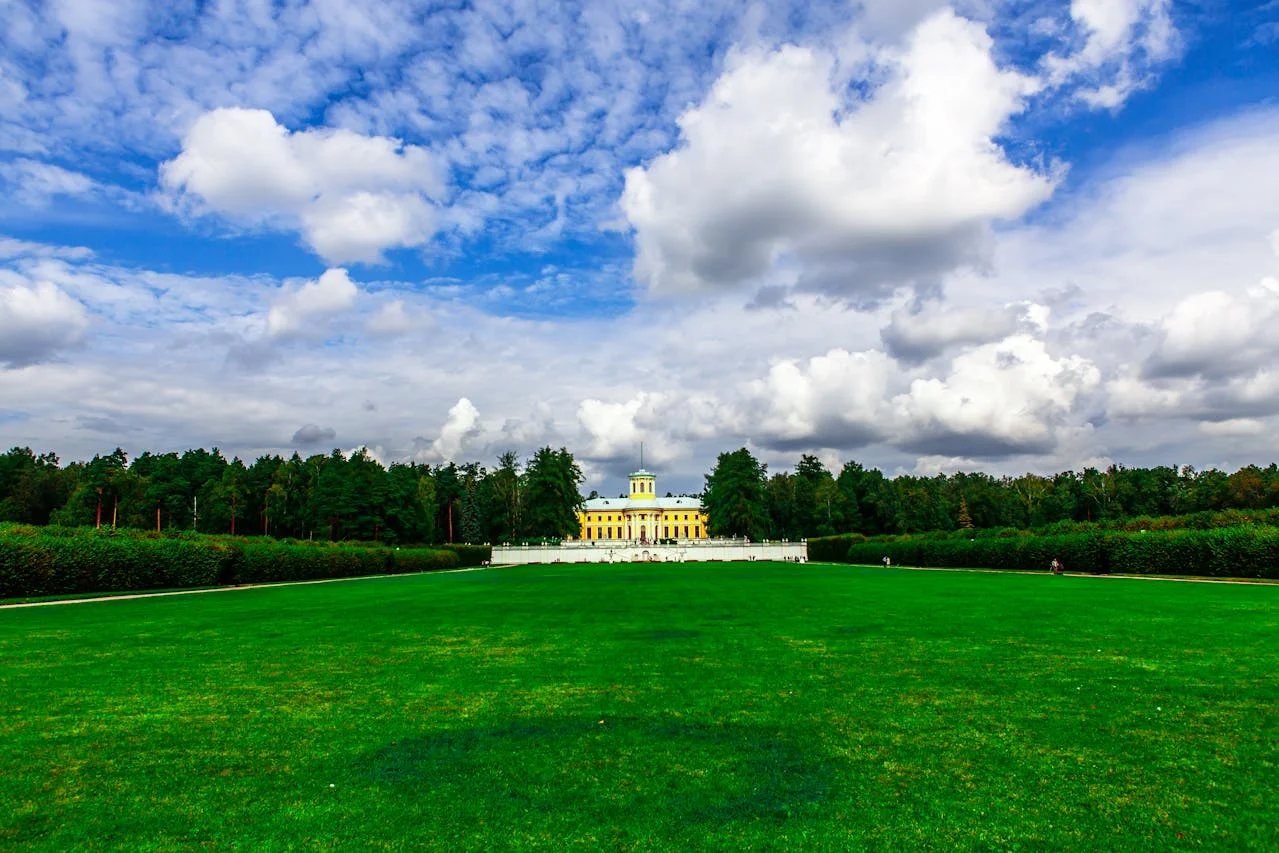

Miami remains one of the most rewarding places in the United States for bird enthusiasts, thanks to its warm climate and position along major migratory routes. Within this urban setting, a historic estate and museum park offers a unique environment where bird life thrives alongside preserved cultural landscapes. These estates provide large green spaces that feel far removed from city pressure, even while remaining easily accessible.
Visitors experience a slower pace that allows attention to shift toward sound, movement, and seasonal change. This blend of heritage and habitat creates conditions that suit these things to do in Miami. The following sections explain why such estates stand out as birding destinations in Miami.
Natural Design That Supports Diverse Species
Historic estate grounds usually reflect thoughtful land planning that respects natural patterns. Mature trees supply shelter and nesting areas for songbirds and raptors alike. Open lawns create clear viewing opportunities for ground-feeding species. Water features such as ponds and canals attract wading birds and migratory visitors. Native plants encourage insect populations that serve as reliable food sources. Shaded areas help birds regulate body temperature during warm days. The land layout allows birds to move freely across different zones. This variety within a single location supports a wide range of species.
Protection From Urban Disturbance
A museum park estate provides a level of separation from surrounding development that benefits wildlife. Controlled entry points reduce sudden disruptions. Traffic noise fades as visitors move deeper into the grounds. Regular maintenance keeps the space orderly without harming the habitat. Clear visitor guidelines support respectful behavior near wildlife areas. Birds grow accustomed to predictable human presence. Nesting sites remain safer due to limited access zones. This sense of security encourages birds to return year after year.
Seasonal Variety Through Migration Paths
Miami sits along critical flyways that guide birds between continents. Historic estates serve as rest stops where migratory birds regain energy. Tall trees offer shelter during long journeys. Fresh water supports hydration needs. Seasonal shifts introduce new species at different times of the year. Spring and fall bring especially rich diversity. Regular visitors notice changes that reflect larger natural cycles. Each visit carries the promise of discovery. Photographers and bird watchers benefit from close-range encounters.
Visitor Friendly Access Without Disruption
Estate parks feature thoughtful infrastructure that supports comfort without harming nature. Wide walking paths allow easy movement across the grounds. Seating areas provide places to pause and observe quietly. Signage offers guidance without clutter. Shade trees and covered spaces reduce strain during warm weather. Facilities such as restrooms remain nearby. Families, students, and older visitors share the same space with ease.
Learning Through Cultural and Environmental Context
A historic estate adds educational depth to birding experiences. Architecture and preserved buildings reflect earlier relationships between land and community. Museum exhibits connect environmental themes with local history. Guided programs share insights into bird behavior and habitat needs. Informational displays support independent learning. School groups benefit from hands-on exposure to nature. Art and landscape design encourage curiosity.
Peaceful Atmosphere That Encourages Patience
The calm nature of an estate park supports focused bird observation. Large grounds disperse visitors across multiple areas. Garden spaces absorb sound and create quiet pockets. Slow walking paths encourage unhurried movement. Birds remain relaxed within these conditions. Subtle behaviors become easier to notice. Light filters through trees and highlights plumage detail. Sounds travel clearly across open lawns and water. Visitors feel comfortable waiting and watching.
A historic estate and museum park offers rare advantages for birding in Miami. These spaces offer qualities of an ideal birding environment, and visiting these places can be one of the things to do in Miami. Such estates preserve more than history. They sustain living ecosystems within the city. For bird enthusiasts, this setting delivers lasting value.